Case Study

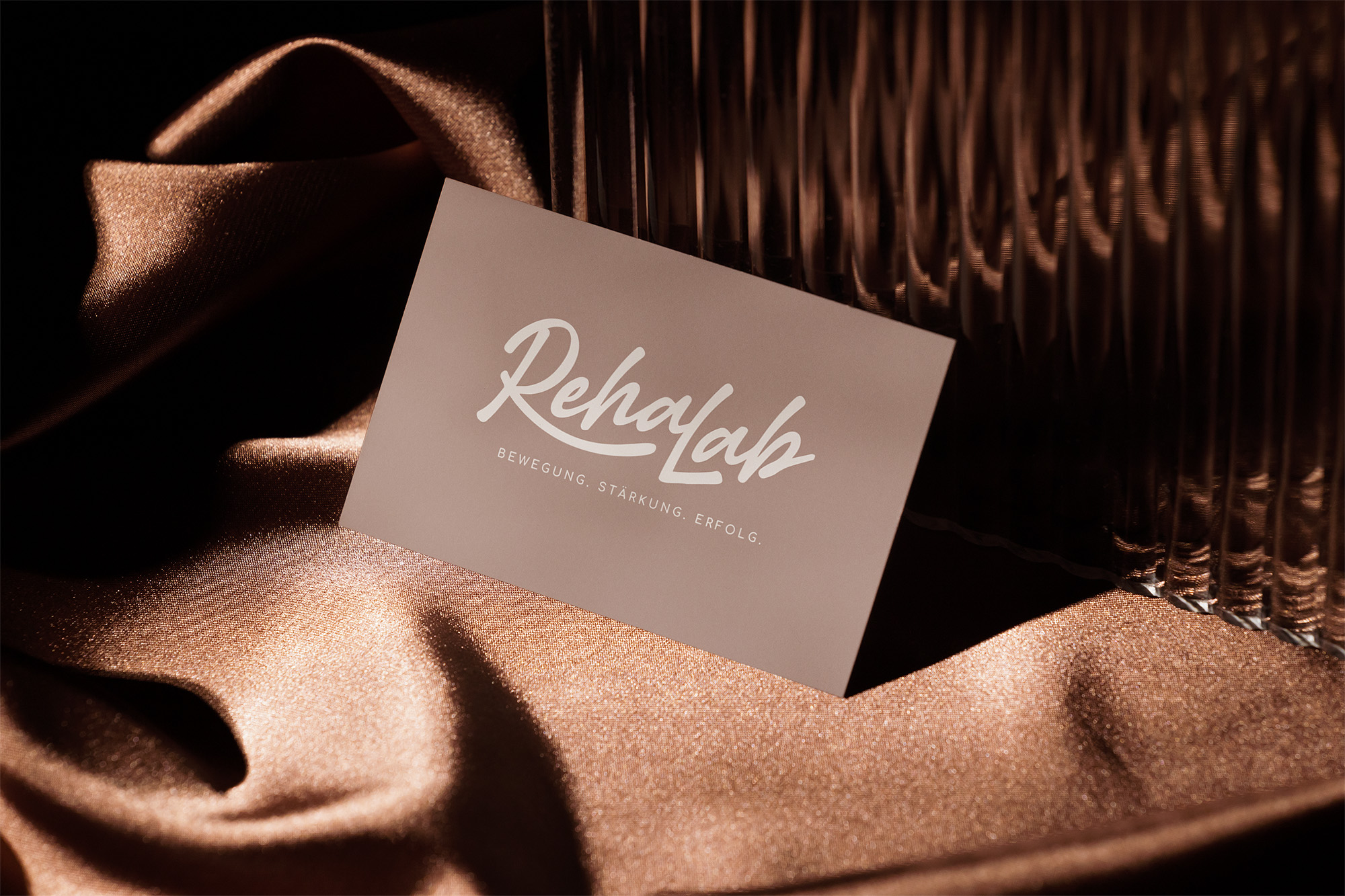
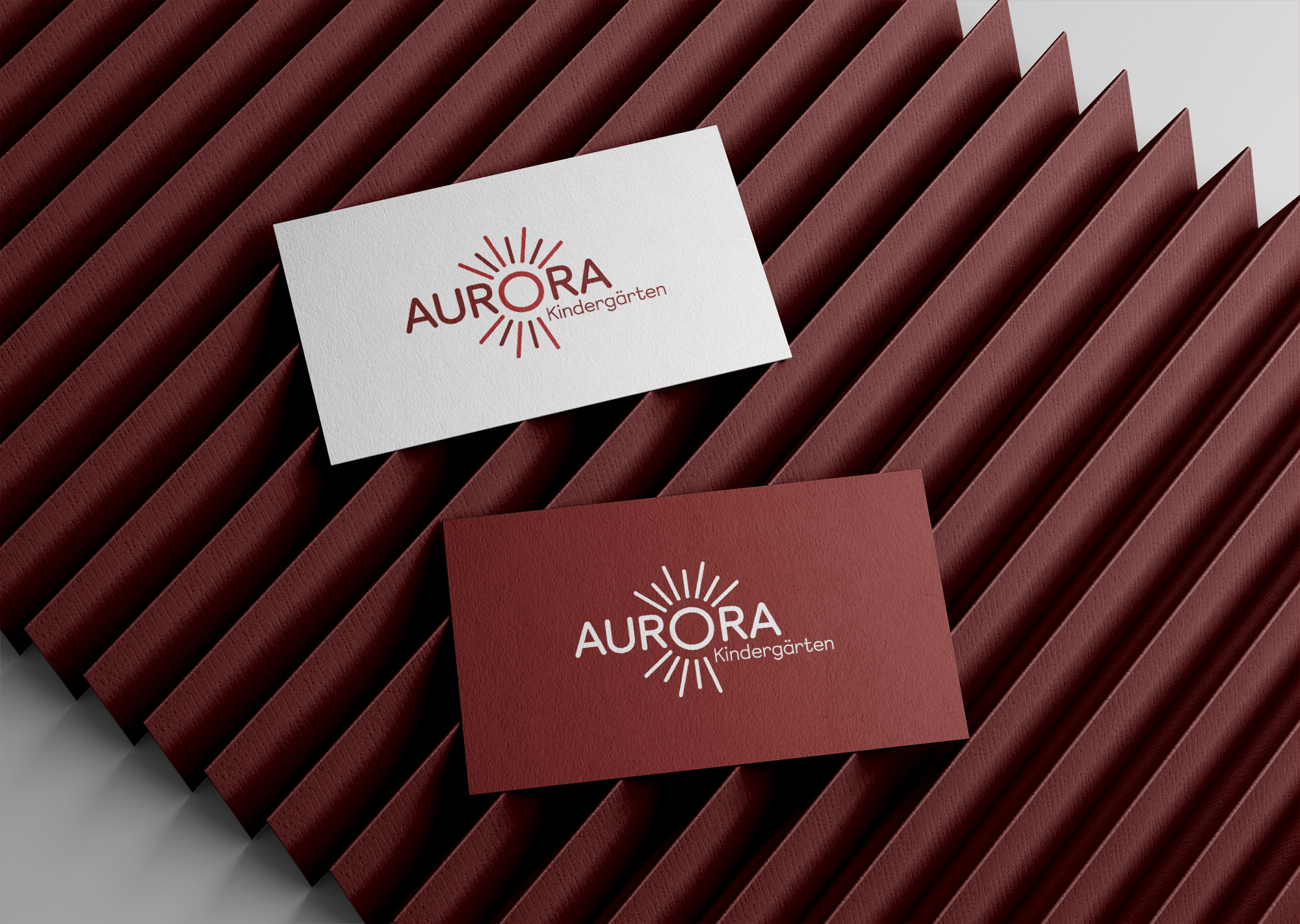
Logo Collection

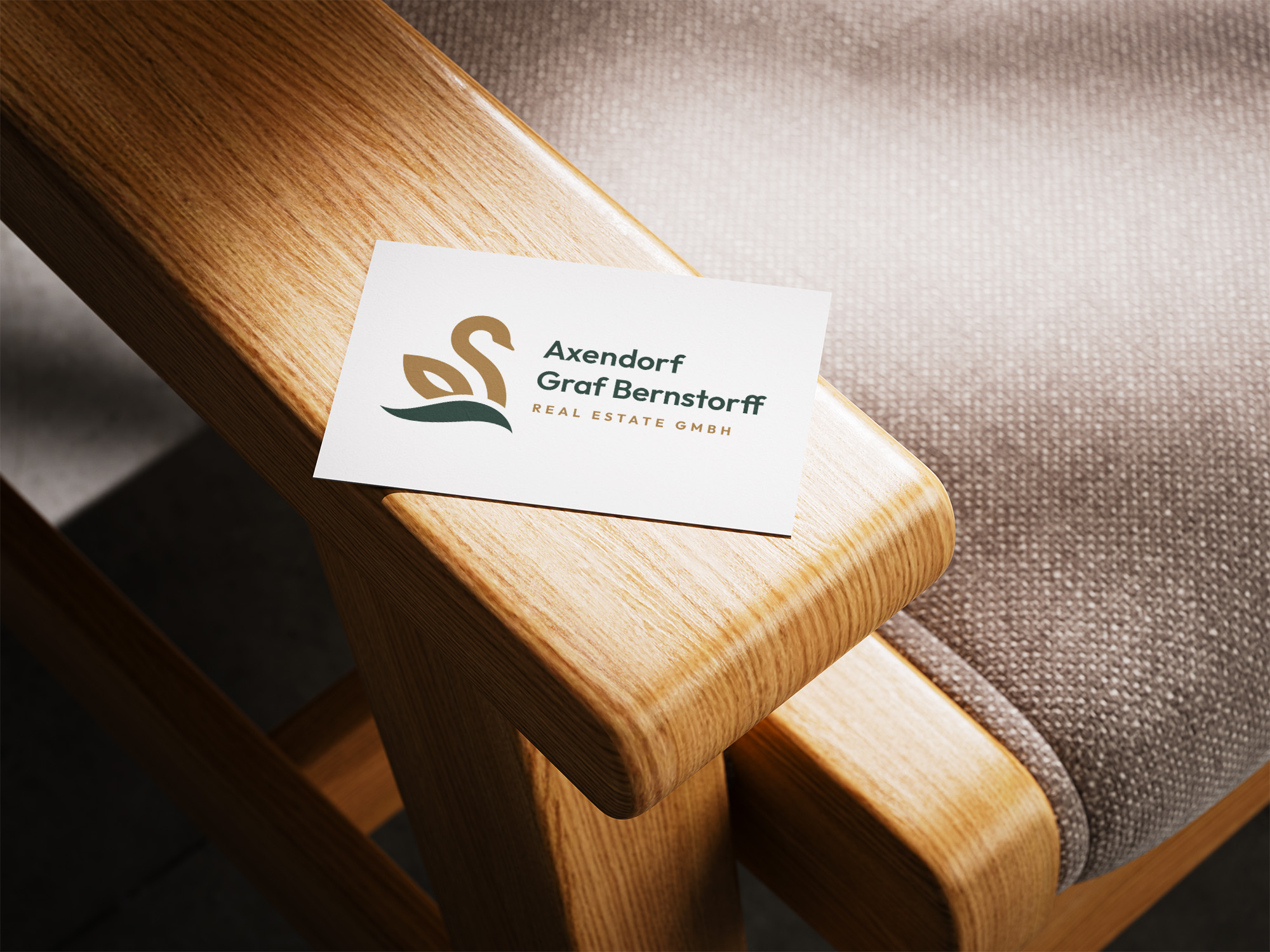
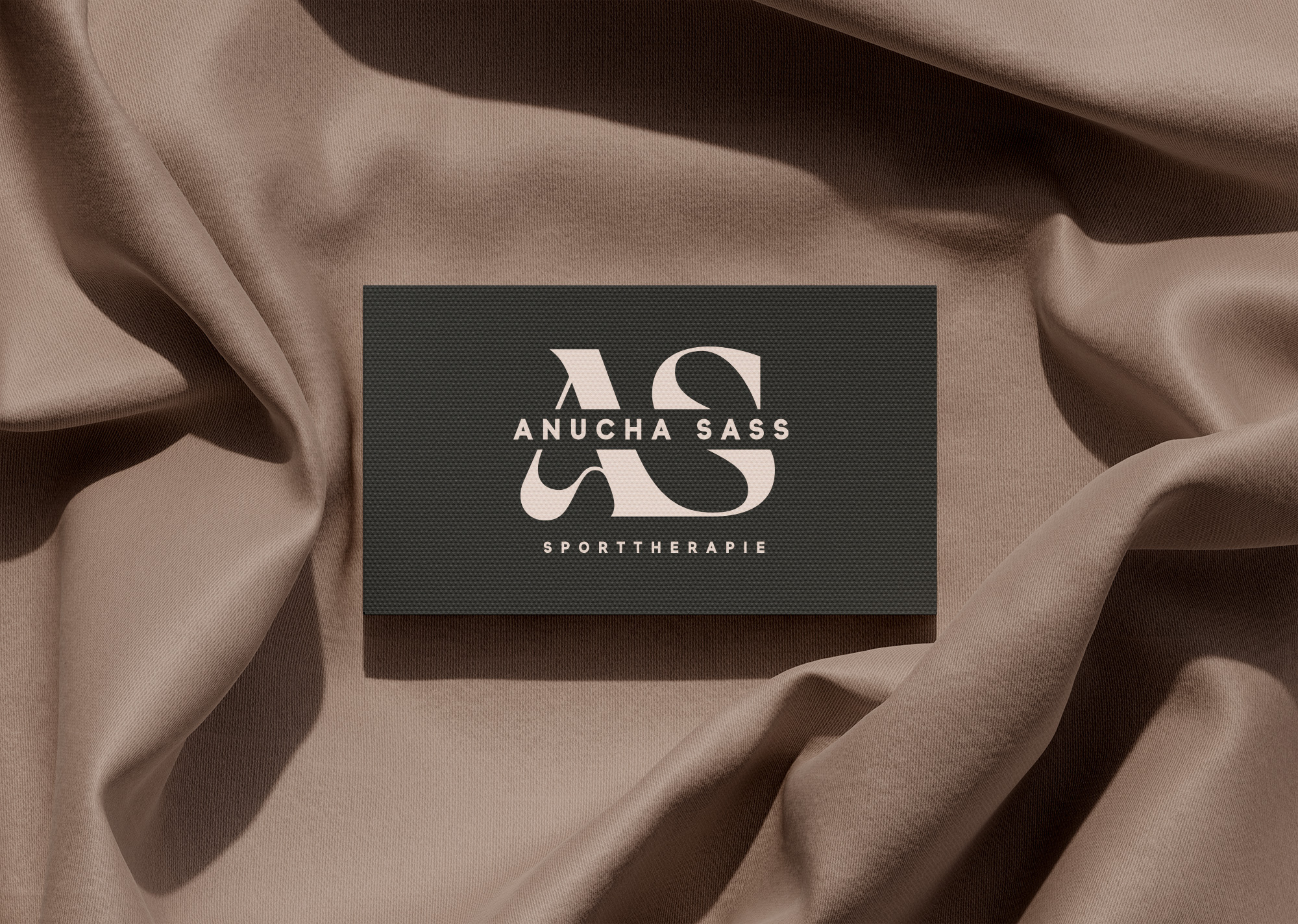
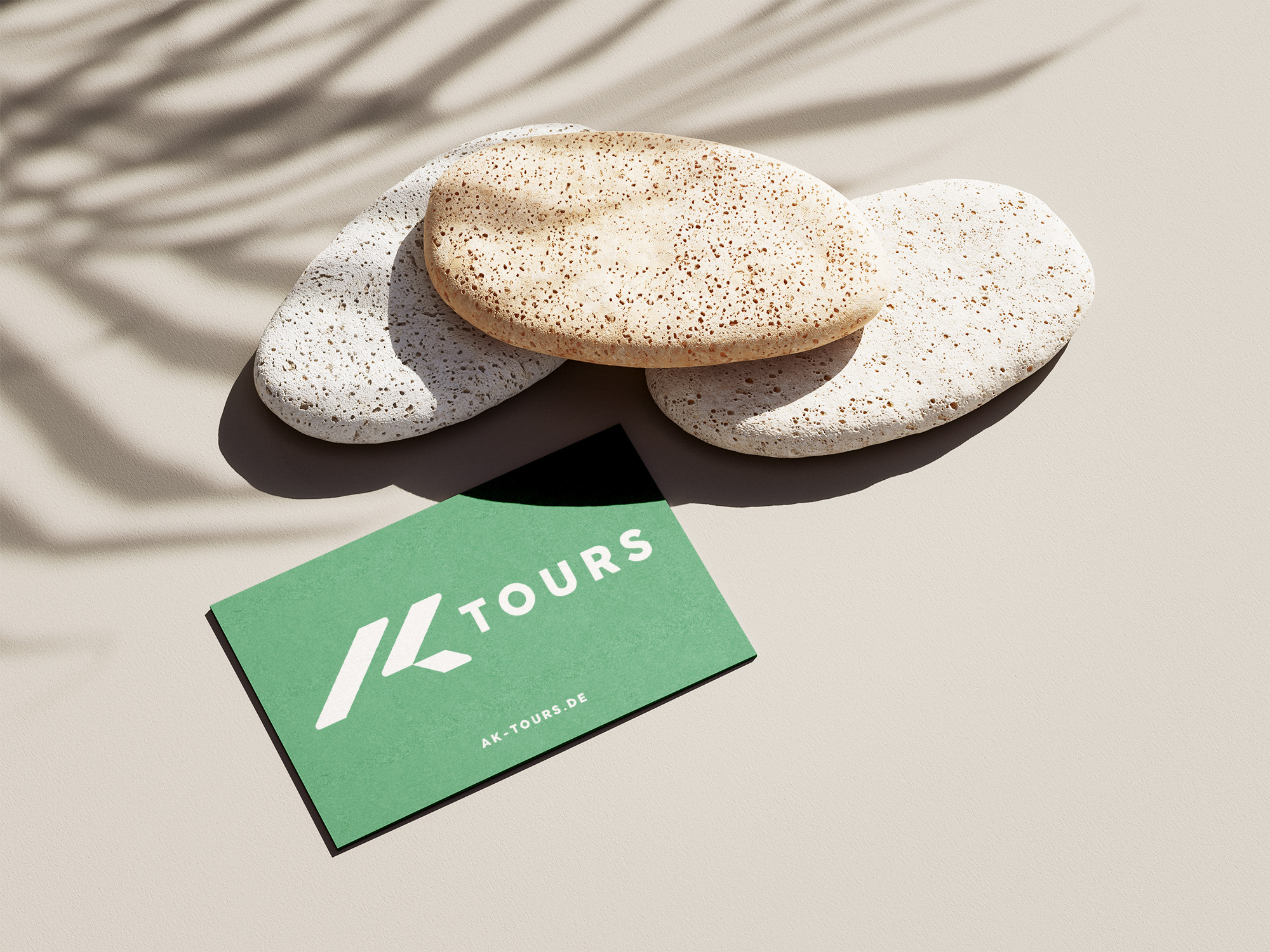
A logo is the smallest possible expression of a brand. Getting it right requires understanding everything that won't fit inside it — and distilling that into a single, enduring mark.

PROJECT SPECS
Icon
Client
Various
Icon
Role
Brand Design / Concept
Icon
Website
various
ABOUT

The hardest creative constraint:
one mark, everything at once.

A logo has to work at 16 pixels and 16 metres. It has to read in black and white, embossed on a business card, reversed out on a dark background. It has to communicate personality without explanation, and build recognition over time without becoming tired. These constraints are what make logo design one of the most demanding disciplines in brand work — and one of the most satisfying to get right.

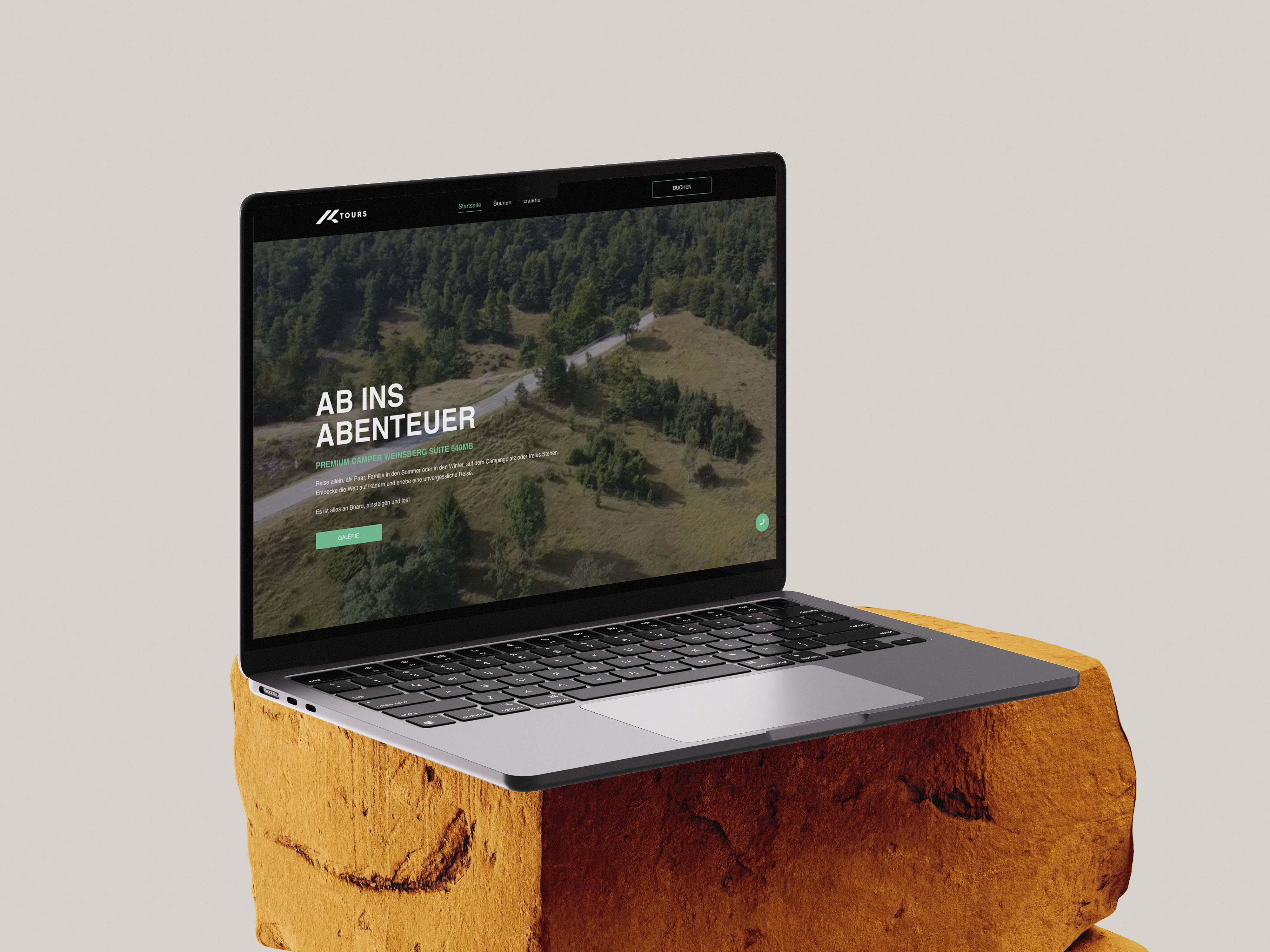
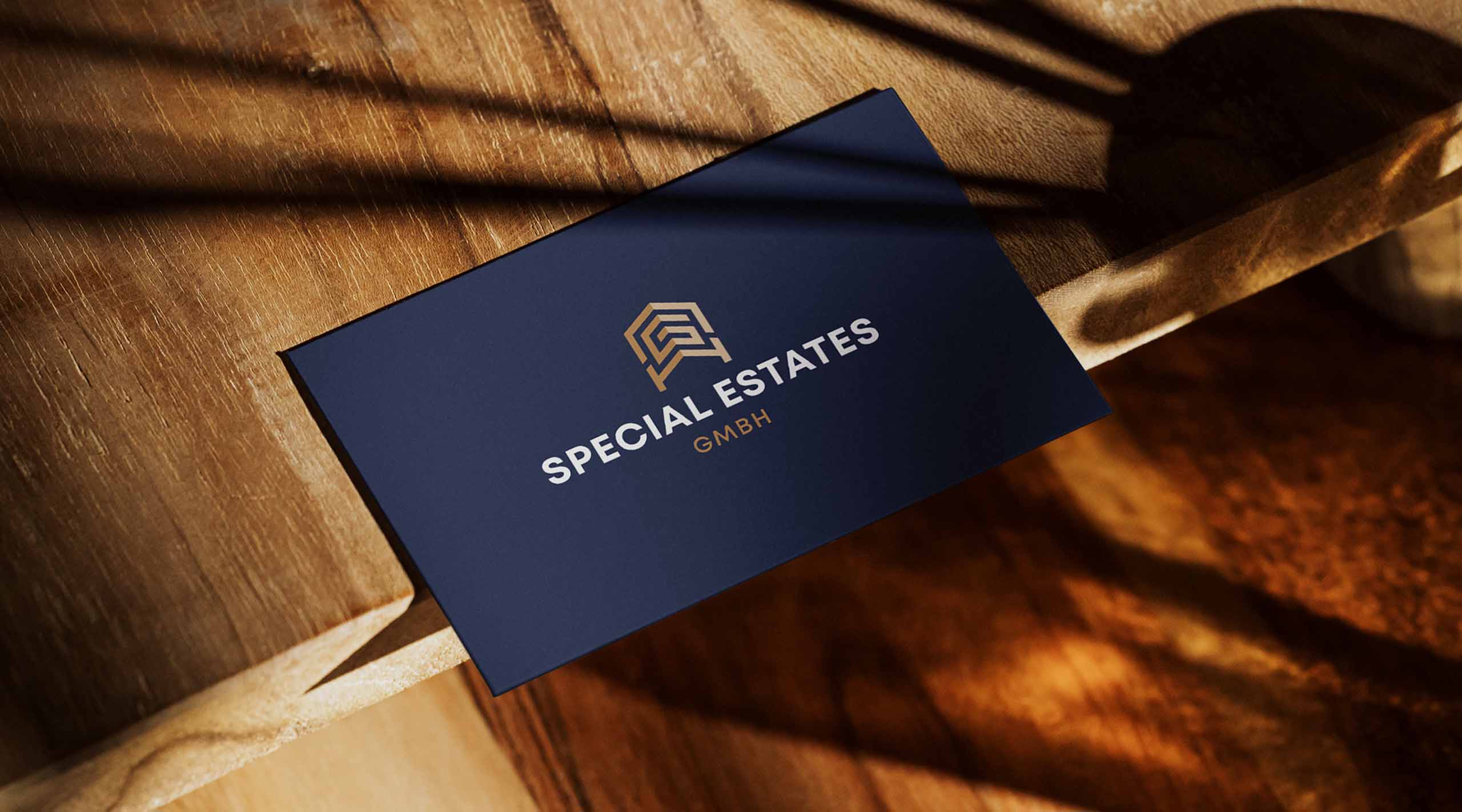
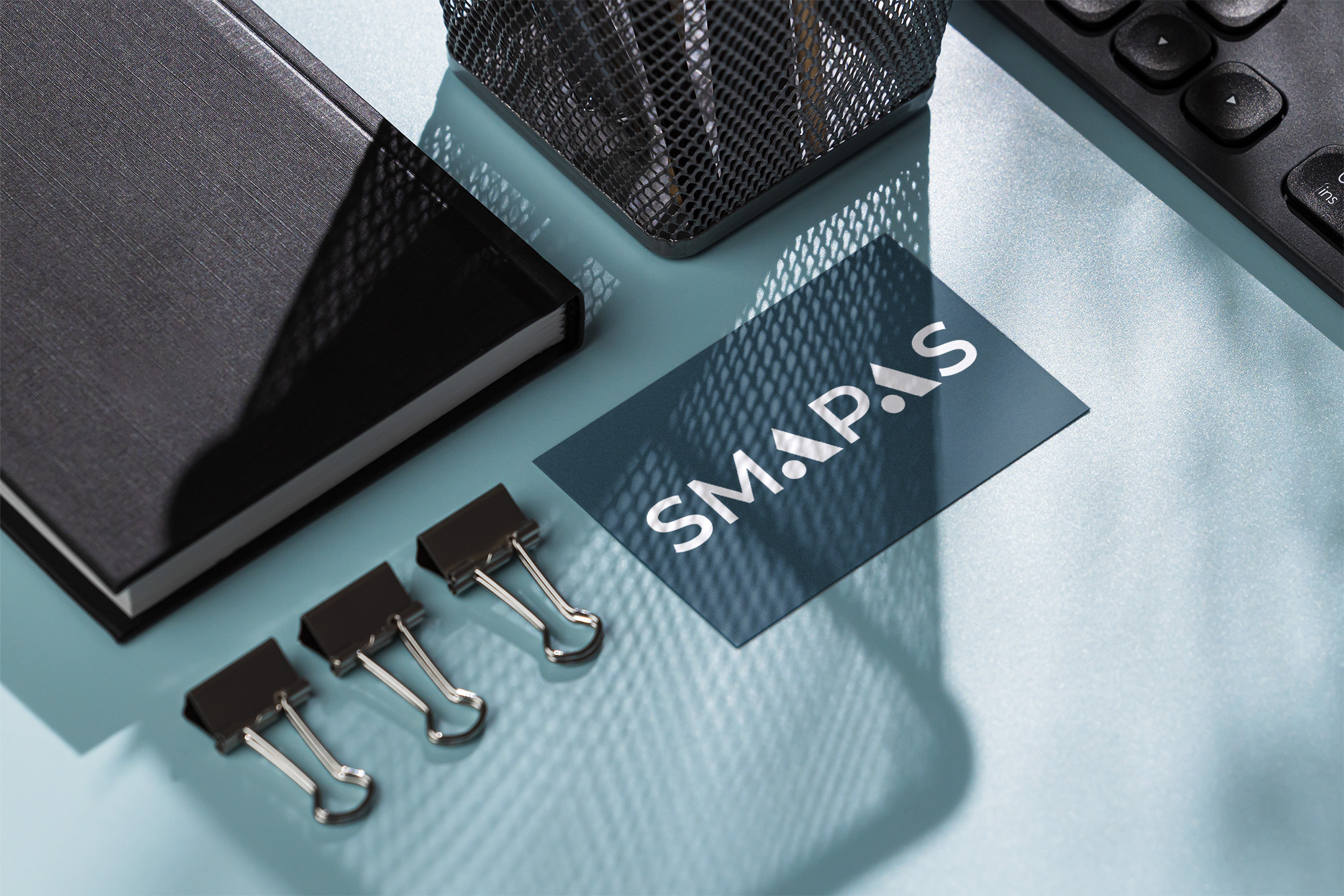
This collection brings together identity work across a range of clients and sectors. Each started from a different brief, a different audience, a different set of values to encode. What they share is the same underlying process: deep understanding before a single mark is drawn.
scope of work

Concept, design, execution.
From brief to finished identity.

Every project in this collection began with the same question: what does this brand need to communicate, and to whom? Not in the abstract, but specifically — what feeling, what positioning, what promise does this mark have to carry?

From there: exploration. Multiple directions developed in parallel, each pursuing a different visual logic. Refinement through iteration — removing what isn't essential, sharpening what is. And finally execution across the formats each client needed: stationery, signage, digital, print.

The clients here range from startups building identity from scratch to established businesses refining what they already had. The sectors span hospitality, wellness, tourism, and beyond. What stays consistent is the discipline: no decoration for its own sake, no trends without purpose, no complexity where simplicity serves better.

visual approach

Simple is the hardest thing to make.

The temptation in logo design is always to add — another element, another detail, another way of communicating something the brand wants to say. The better instinct is almost always to subtract.

Every mark in this collection was pushed toward its simplest possible form without losing what makes it specific. That process of reduction is where the real design thinking happens — in the decision to remove a line, to tighten a letterform, to choose negative space over a graphic element, to trust the concept over the execution.

The result, in each case, is a mark that holds. That looks right at any size, in any context, whether seen for the first time or the hundredth.

the result

Marks that last.

Good logo design doesn't date quickly. It doesn't need to be refreshed every two years because it chased a trend. It builds recognition steadily, becomes associated with quality over time, and eventually reaches the point where the mark alone does the work — without the name, without the context, without explanation.

That's the standard every project in this collection was held to. Not: does it look good today? But: will it still be doing its job in ten years?