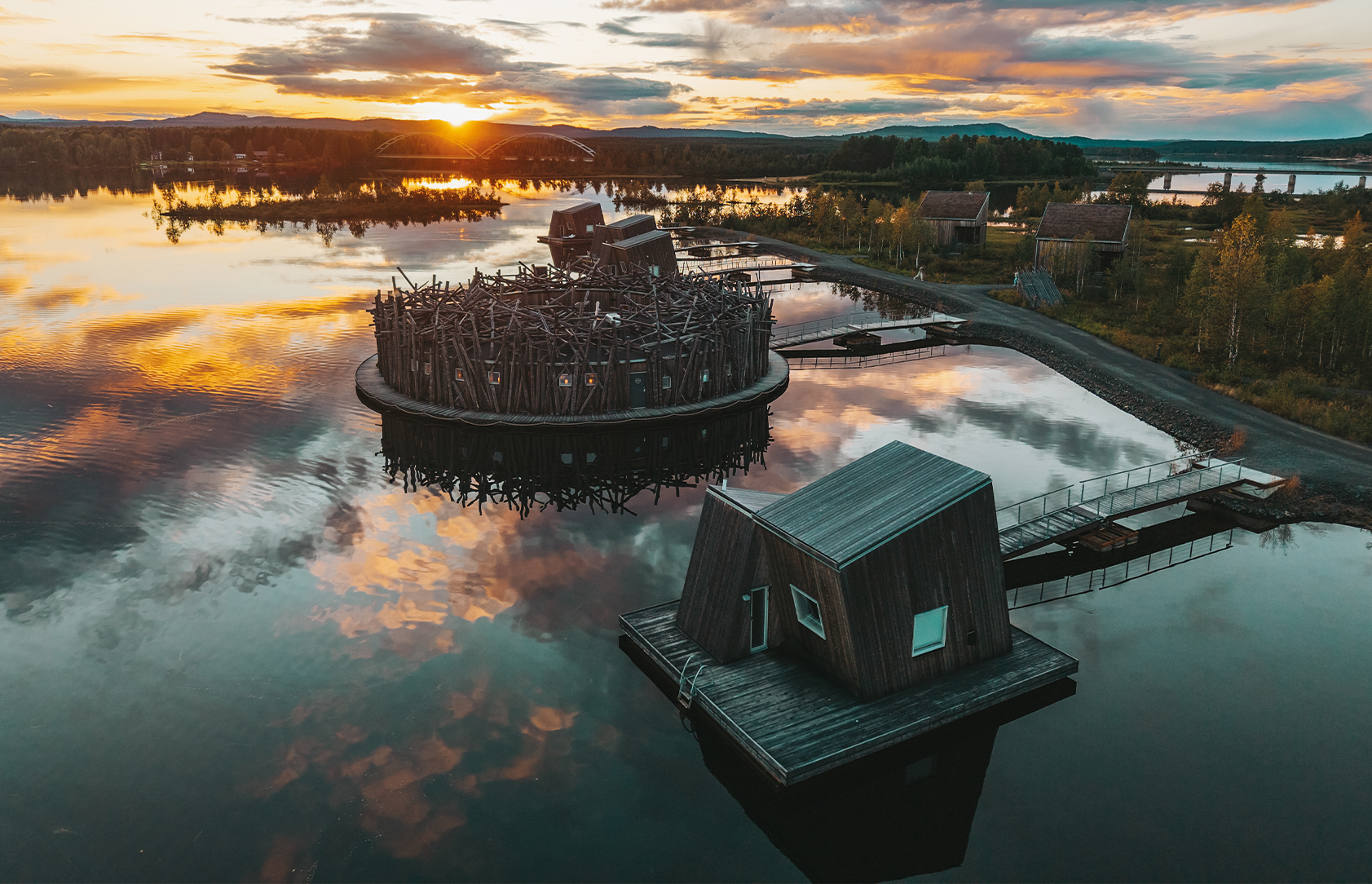
Why shooting destinations like film scenes — not social content — creates visuals that last.
There's a moment I keep coming back to.
I'm standing at the edge of a pool just after sunrise. The light is doing something extraordinary — it's not golden yet, not quite blue anymore, it's that in-between thing that lasts maybe four minutes before the world decides what kind of day it wants to be. A guest is sitting at the far end, coffee in hand, not looking at anything in particular. Just existing. I don't touch my camera. Not yet. I watch. I wait. I let the scene breathe.
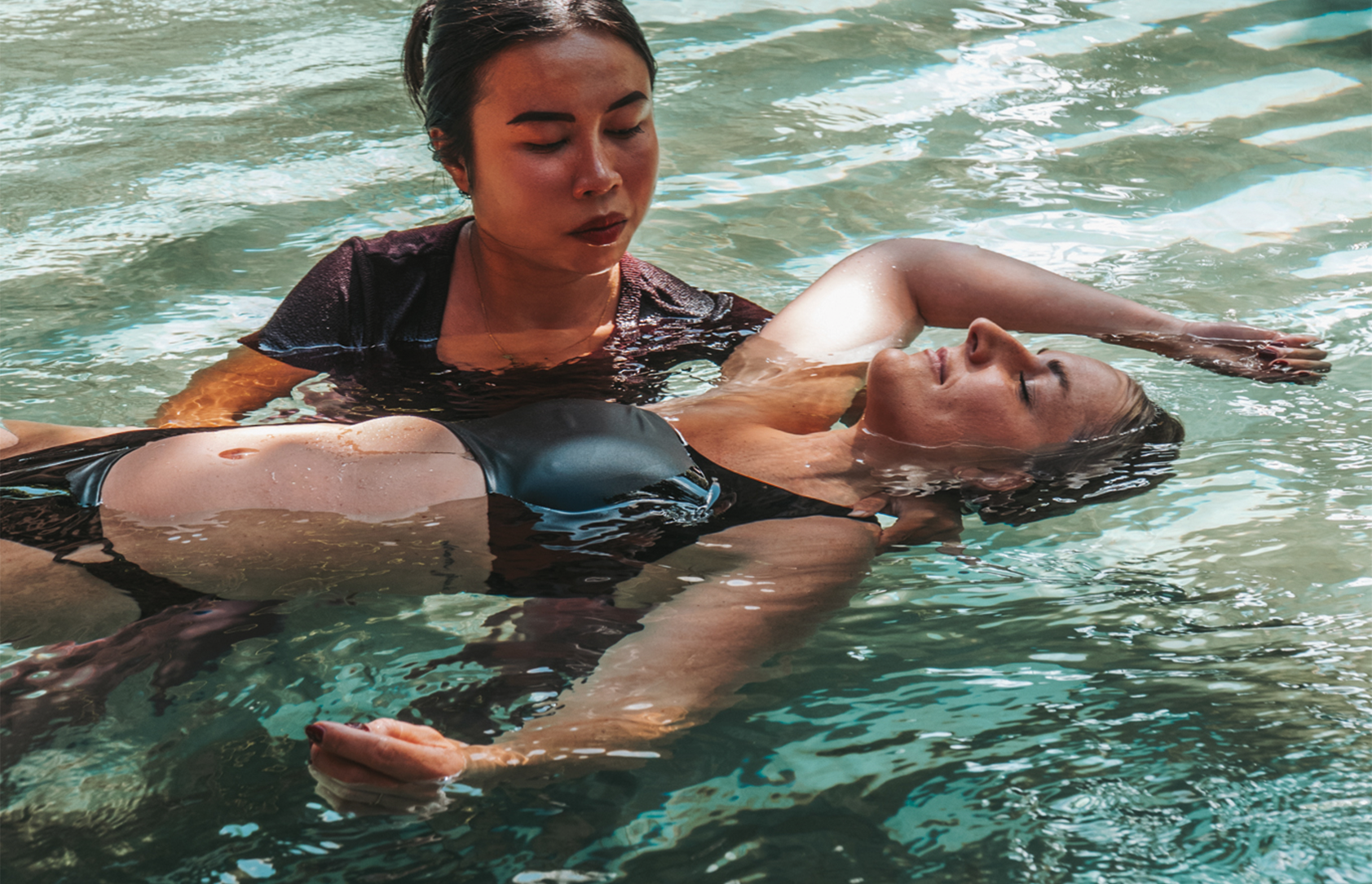
Three minutes later, she shifts slightly. The steam from the cup catches the light. She exhales and her shoulders drop two centimetres — the exact moment the body decides it's on holiday. I press the shutter once. That's the photo that ended up on their homepage.
The problem with "hospitality photography"
Most destination content is made the way fast food is made. Efficiently, predictably, to a formula that satisfies without surprising anyone. Wide shot of the pool. Aerial of the property. Smiling couple at dinner. Glass of wine at sunset. Repeat.
It's not bad. It's just invisible. When everything looks the same, nothing stops the scroll. The issue isn't skill — most hospitality photographers I've met are genuinely talented. The issue is the brief, and the mindset behind it. When the goal is "capture everything," you end up with images that show everything and communicate nothing. You document the space. You don't make someone feel the space.
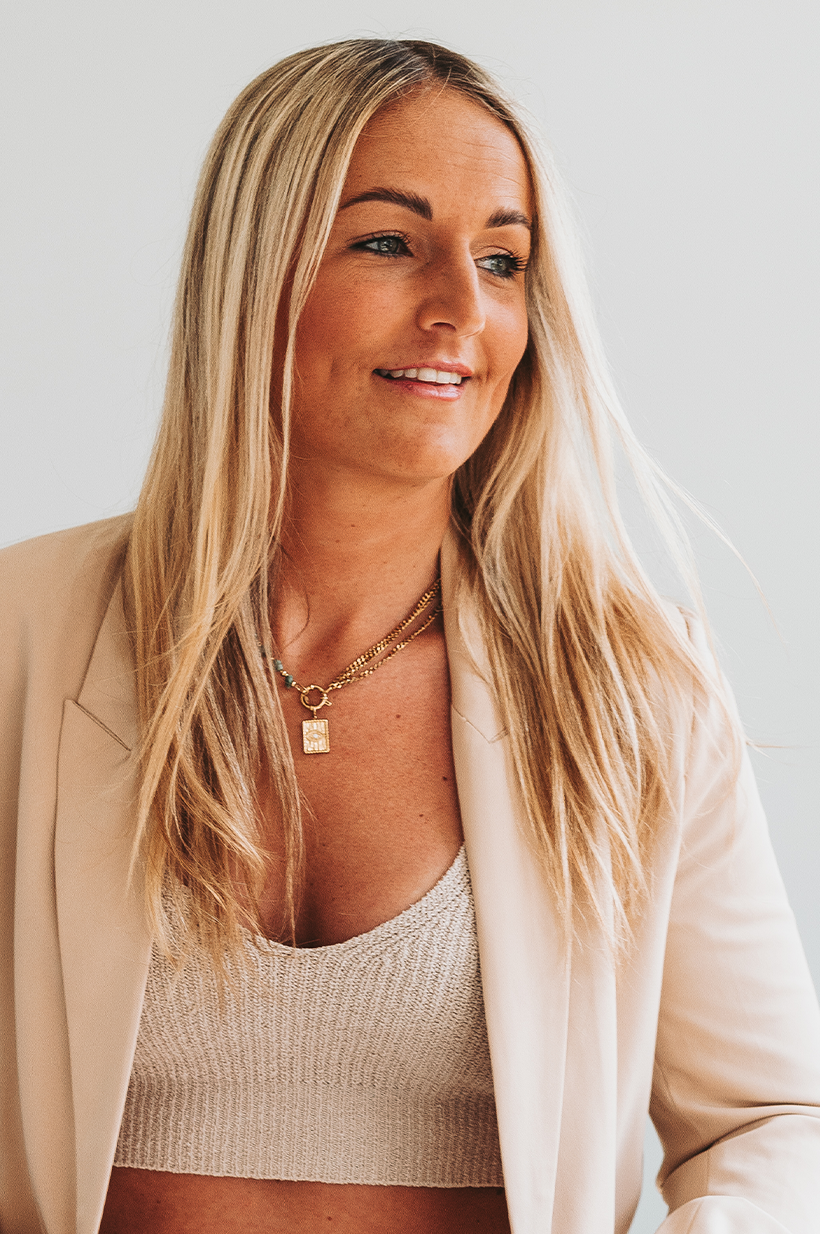
That's the difference I kept bumping into, project after project, until I understood what I was actually trying to do. I'm not a photographer who happens to work in hospitality. I'm a creative director who uses photography to tell a story. And the way I learned to tell stories came from somewhere unexpected: cinema.
What filmmakers know that photographers forget
A good film director doesn't show you a room. They show you what it feels like to be in the room. They do this through restraint — through what they choose not to show. Through timing: holding a shot two seconds longer than comfortable, so you feel the weight of a moment rather than just register it. Through light that's atmospheric rather than flattering. Through the space between things.
When I started applying that logic to destination work, everything shifted. Instead of photographing a room, I started asking: What does it feel like to walk into this room for the first time? Instead of shooting the menu, I asked: What does the anticipation of dinner here feel like? Instead of capturing a landscape, I asked: What emotion does this landscape unlock? The camera became a tool for translating feeling, not recording facts.
Four principles I actually use on every shoot
Arrive before you shoot. I spend at least a full day at a property before I take a single photo. I eat there, sleep there, sit in the spaces at different times of day. I watch how the light moves, notice which corner of the restaurant fills up first, pay attention to the moment guests decompress — when body language changes, when phones go face-down on the table. By the time I pick up the camera, I already know what I'm looking for. I'm not discovering the place. I'm translating it.
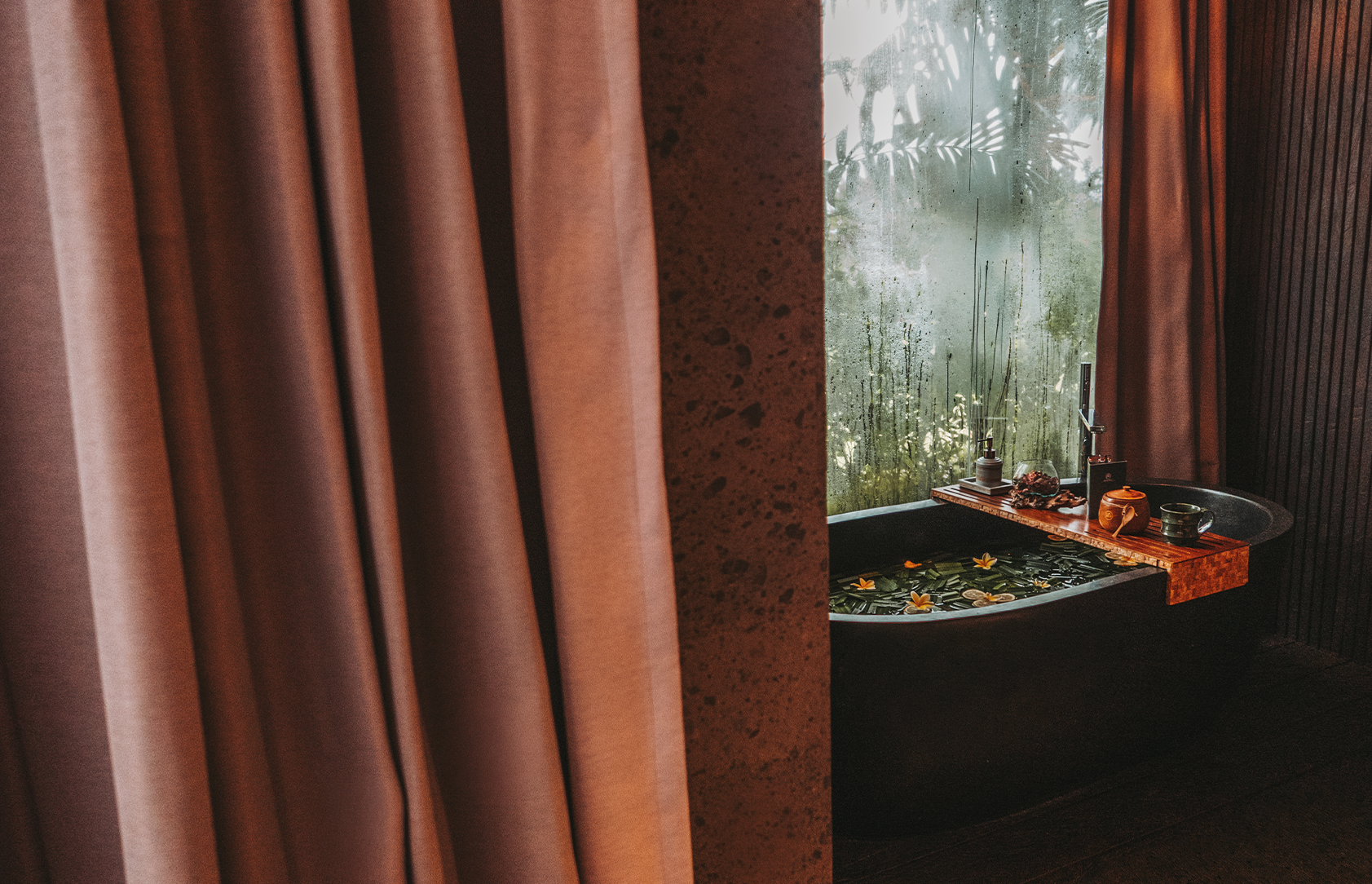
Light over composition, every time. I'll wait for the right light before I'll adjust the composition. The hour before sunset is worth more to me than three hours of midday shooting. The way early morning mist sits in a valley, the way candlelight shifts when a window opens — these things can't be recreated in post. They have to be caught. I plan shoots around light the way a filmmaker plans around weather.
Human moments over styled scenes. The most powerful images I've made have rarely been the planned ones. They happen in the gaps — when the shoot is technically over, when something unexpected occurs and I happen to have a camera. I don't stop a guest to sit a certain way. I look for what's already true about a place and find the angle that makes it undeniable. Authenticity reads. People can feel, at a glance, whether a photo was staged or witnessed.
Edit like a film director. In cinema, the edit is where the story is actually told. I apply the same logic to photo selection — I'm not looking for the technically perfect image, I'm looking for the sequence. The wide establishing shot. The intimate detail. The human moment. The abstract texture that carries atmosphere. A gallery should feel like a film, not a mood board.
Why this matters beyond aesthetics
Beautiful images don't convert. Emotional images convert. A potential guest doesn't book a property because they saw a high-quality photo of a bed. They book because something in them said I want to feel like that. The image created desire — a specific, felt longing for an experience.
When a hotel shifts from documentary photography to cinematic storytelling, the results show up in metrics. Longer time on page. Higher inquiry conversion. Guests who arrive with expectations already aligned to the experience — because the content prepared them emotionally, not just informationally. I've seen it happen. It's not magic. It's just taking the craft seriously.
Before I press the shutter, I always ask myself one thing: Does this image make you feel something? Or does it just show you something? If the answer is the second one, I wait. Sometimes I wait a long time. But the photos that come from waiting — those are the ones that make destinations unforgettable.
If this resonates with how you think about your brand's visual story, I'd love to hear about your project.