Every visual choice either strengthens your brand position or weakens it. There is no neutral.
I used to get a version of the same compliment, early in my career. "Beautiful work." "Stunning images." "We love the aesthetic." And then, six months later, a quiet email: bookings were flat, the rebrand hadn't moved the needle, they were going in a different direction.
The images were beautiful. They just weren't doing anything.
It took me a while to understand the difference between work that looks good and work that works. Between creative direction as a visual service and creative direction as a business tool. Between making something beautiful and making something that changes how people feel about a brand — specifically enough to change what they do.
That distinction is everything. And it's the thing the industry talks about least.
The decoration trap
There's a version of creative direction that is essentially sophisticated decoration. You take what a brand already is, you make it look more expensive, you photograph it in better light with better composition and more intentional styling. The result is polished. It's prettier than what came before. And it will not move the business.
Because decoration starts from the outside. It asks: how do we make this look better? Strategy starts from a different question entirely: what do we need people to believe about this brand, and what visual language will make them believe it?
These questions produce completely different work. The first produces images that are aesthetically coherent. The second produces images that are commercially coherent — that serve a specific positioning, speak to a specific audience, and create a specific emotional response that leads, eventually, to a specific action.
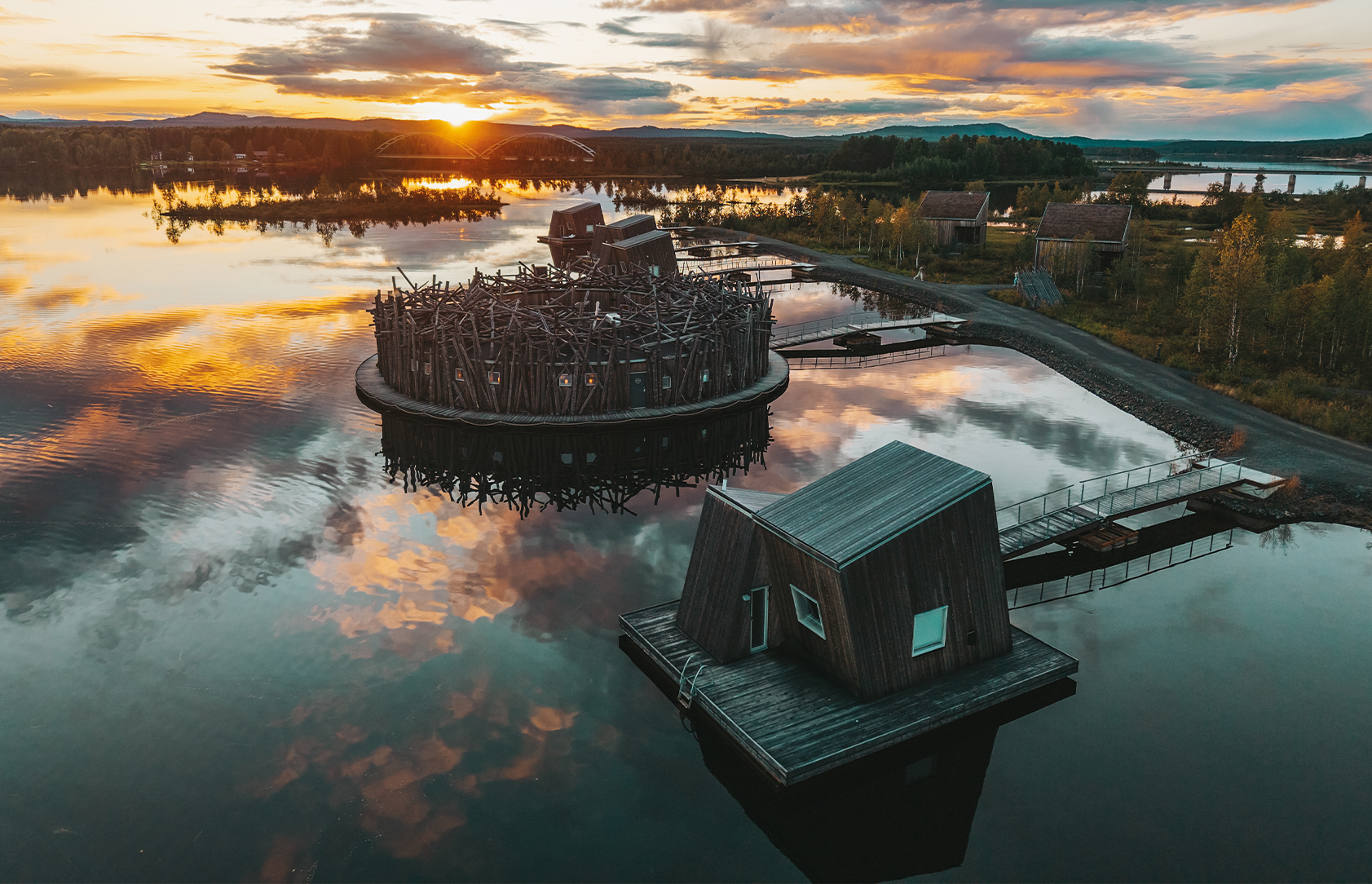
Luxury hospitality is full of beautiful decoration. Properties that look impeccable in a brochure and still struggle to differentiate themselves in a market where everything looks impeccable. The photography isn't the problem. The strategy behind it is.
What strategic creative direction actually means
It means starting with the business problem, not the visual brief. Before I think about lighting or composition or the shot list, I want to understand: who is this brand trying to reach, what do those people currently believe, and what do we need them to believe instead? What feeling needs to be created, and in what sequence?
A brand trying to attract a guest who values solitude and authenticity needs a completely different visual language than one trying to attract a guest who values social status and spectacle. Both can be photographed beautifully. But beautiful in the wrong direction is worse than useful — it attracts the wrong guests, creates the wrong expectations, and damages the relationship between brand and audience before it even begins.
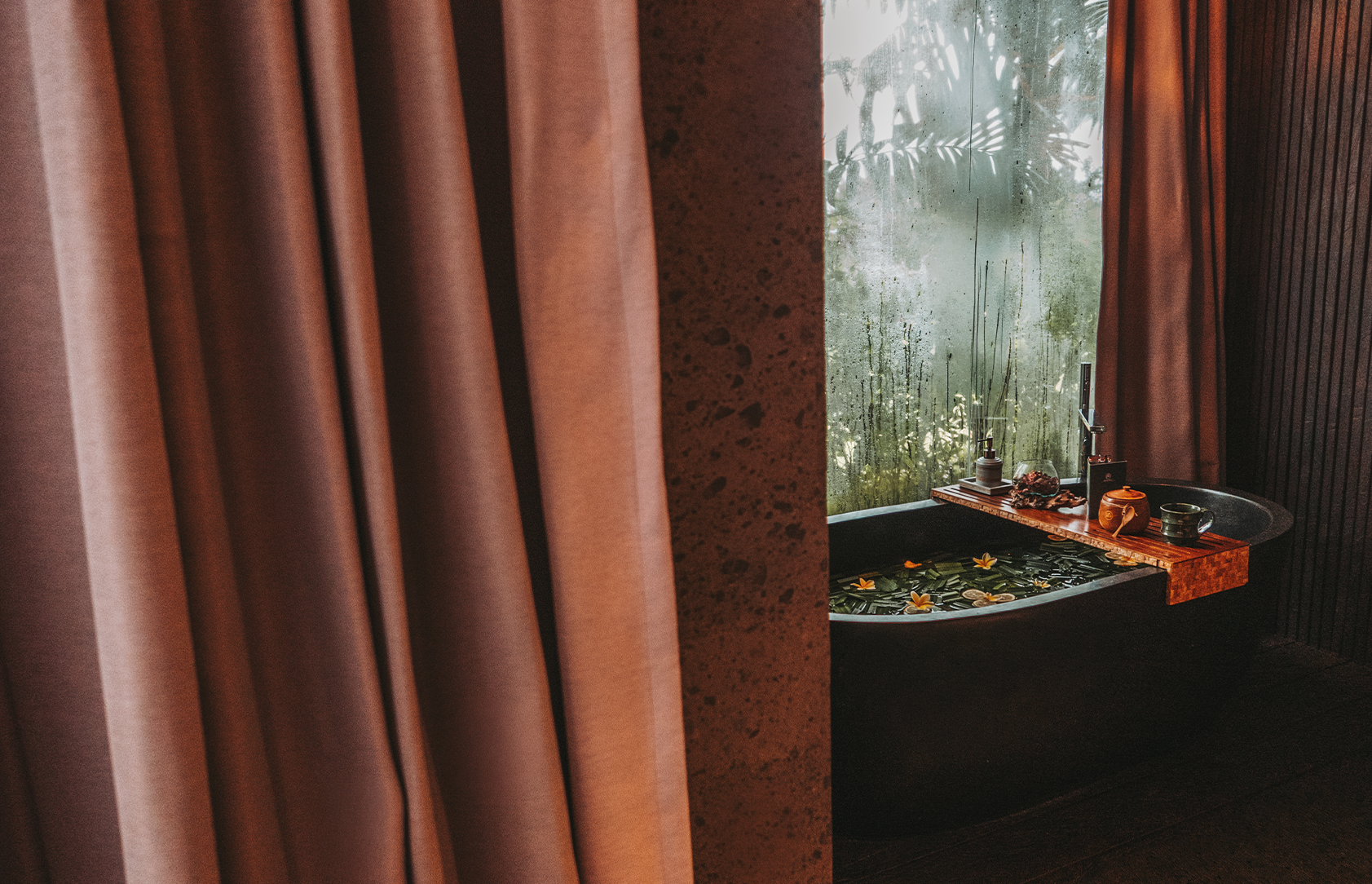
Every visual decision is a positioning decision. The palette says something. The pacing says something. The ratio of human moments to architecture says something. Whether you shoot interiors wide or tight says something. Whether your people look posed or caught in the middle of something real says something. None of these choices are neutral. They are all, whether you intend it or not, communicating something to someone.
Strategic creative direction means making those choices deliberately, with a clear understanding of what you're communicating and why.
The question behind every shot
On every project, I carry one question through the entire creative process: does this visual decision serve the brand's position, or does it just look good?
Sometimes the answer is both, which is the ideal. Sometimes something looks extraordinary but pulls the brand in the wrong direction — too editorial for a family property, too warm for a brand built on cool minimalism, too staged for an authenticity-first positioning. In those cases, I cut it. Not because it's a bad image. Because it's the wrong image for this brand, at this moment, for this audience.
This is the discipline that separates decoration from strategy. It requires knowing what you're trying to say before you try to say it beautifully.
What this looks like in practice
Before a shoot, I spend time with the business — not just the brand. I want to understand occupancy patterns, inquiry sources, which guest segments are growing and which are declining. I want to know where the brand sits in the competitive landscape and where the founder wants it to sit in three years. I want to understand what's working in the current visual identity and what's creating friction.
This isn't information that changes the photography. It changes the direction. It tells me which stories to tell and which to leave out. It tells me what emotional register to work in. It tells me which details carry meaning for the right audience and which are just aesthetically pleasing noise.
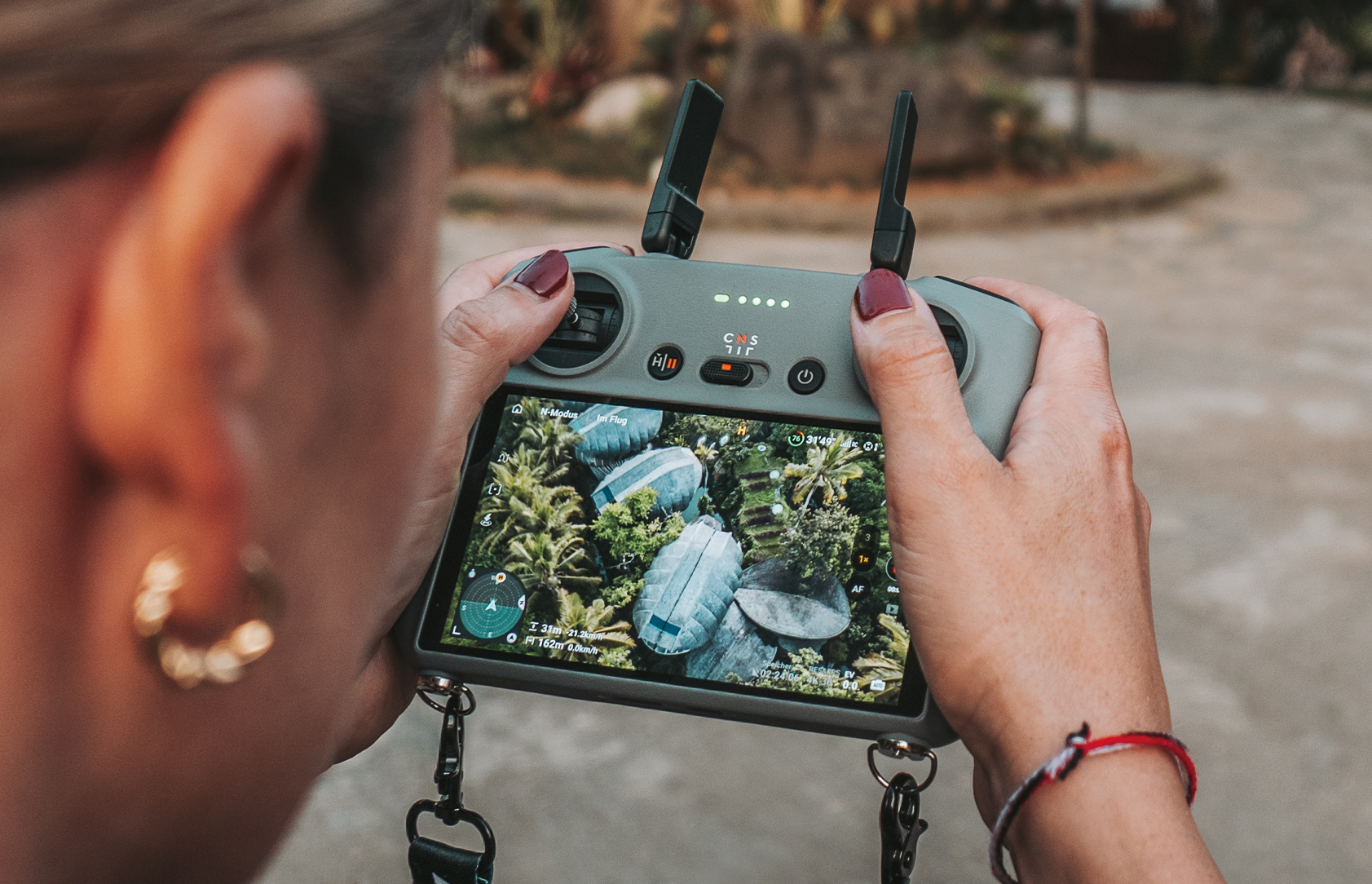
The shoot itself often looks the same from the outside — same locations, same hours, same camera. But what I'm looking for is different. Every frame is in service of something specific. And that specificity is what makes the difference between work that gets compliments and work that gets results.
Beauty is not the goal. Belief is.
The most effective creative direction I've ever made didn't win any awards. It was quiet, specific, and deeply aligned with what a particular brand needed to communicate to a particular audience at a particular moment. It made people believe something about that brand that they hadn't believed before. And that belief changed their behaviour.
That's the job. Not to make something beautiful — though beauty matters, and craft matters, and I care about both deeply. But beauty in the service of a clear strategic intention. Visuals that don't just represent a brand but advance it. Creative direction that earns its place in the budget not because it looks good in a presentation, but because it moves something in the market.
There is no neutral visual choice. Every image is either working for you or against you. The only question is whether you're making those choices deliberately.
If you're ready to think about your visual identity as a business tool, not just an aesthetic one — let's talk.