In a world optimised for volume, the most powerful creative move is patience.
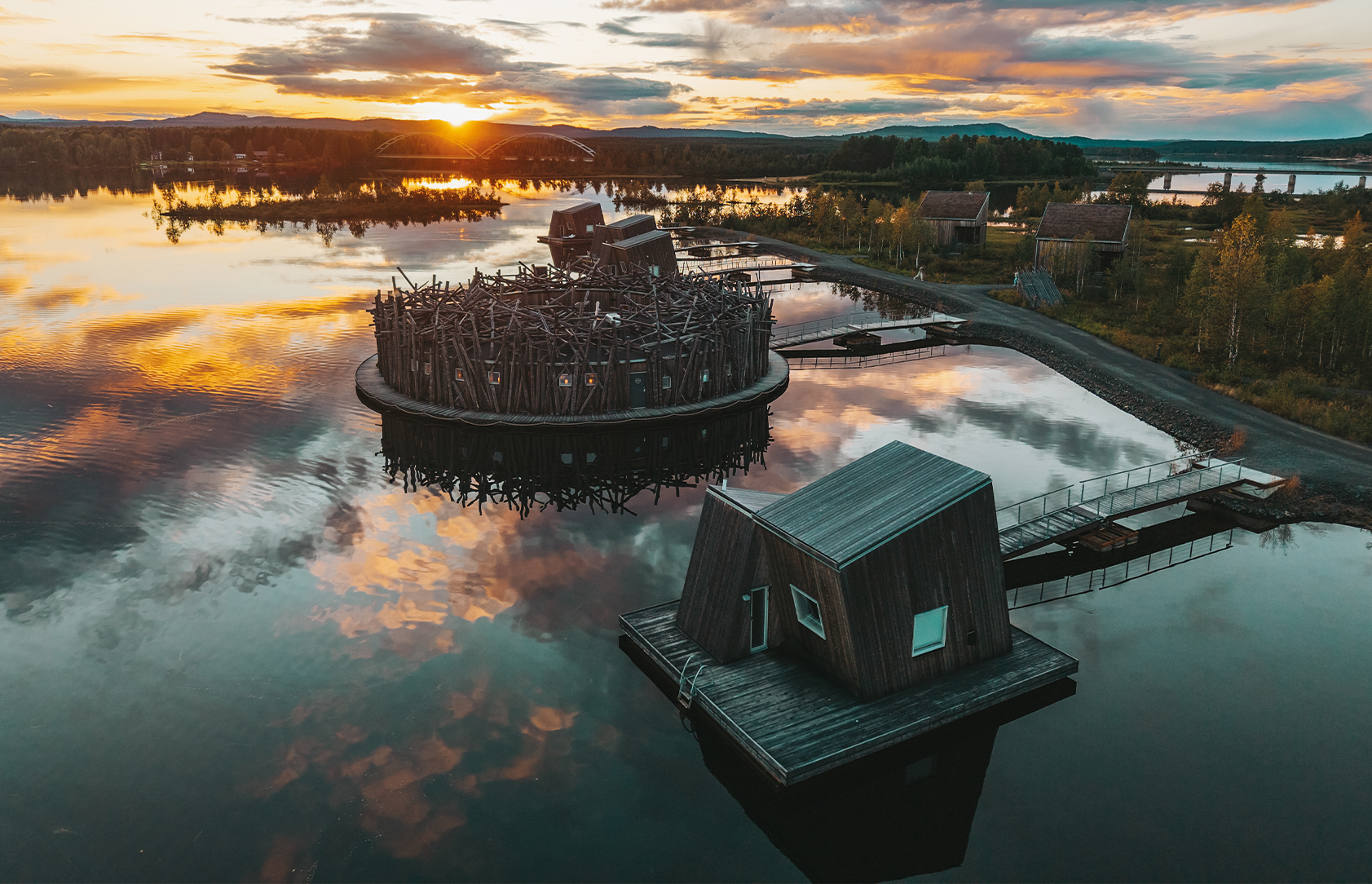
There's a metric I've never been able to shake from a project a few years back. Two pieces of content, made in the same week, for the same brand. The first was a quick, reactive post — something topical, well-timed, put together in an afternoon. It performed well immediately. Good reach, decent engagement, forgotten within a week. The second was a single image I'd been waiting three days to make. The light I needed only happened once. I almost missed it. It took one frame. That image is still being shared. It still drives traffic. It still, occasionally, shows up in my inbox as the reason someone reached out about a project.
I think about that a lot when the conversation turns to content volume, posting frequency, and the relentless pressure to produce more, faster, always.
How the volume logic took over
The case for fast content is not irrational. Algorithms reward consistency. Attention is fragmented. If you're not visible, you're forgettable. The brands that post daily stay top of mind; the ones that disappear for three weeks lose ground. All of this is true, and I don't dismiss it.
But somewhere in the last decade, volume became the strategy rather than the vehicle for it. The question shifted from what do we need to say, and what's the right moment to say it? to how do we fill the calendar? And filling the calendar became its own discipline — a whole industry of tools, templates, and frameworks designed to make content production faster, cheaper, and more continuous.
The output is everywhere. Competent, consistent, completely interchangeable. Content that exists because the schedule demanded it rather than because something true needed to be expressed. And the more of it there is, the less any individual piece lands — because landing requires differentiation, and differentiation requires the thing that volume production systematically removes: time.
What slow content actually is
Slow content is not infrequent content. The distinction matters.
Infrequent content is just slow production — posting rarely because there isn't capacity or strategy to post more. That's not what I mean. Slow content is content made with deliberate patience. It's the image you waited three days for. The essay you sat with for two weeks before publishing. The campaign built around a single idea so well-considered that it doesn't need twelve executions to land — it needs one, exactly right.
The slowness is in the making, not necessarily in the frequency. A brand can publish regularly and still make slow content, if each piece is built from genuine intention rather than calendar pressure. The question isn't how often are we posting? It's why does this particular piece exist, and does it earn its place?
That second question is the one volume production never has time to ask.
What patience produces that speed can't
The image I waited three days for existed because of something I've come to think of as creative accumulation — the way understanding deepens when you stay with something long enough. By day three at that location, I wasn't seeing it the way I had on day one. I knew where the light went. I knew which hour changed everything. I knew, almost physically, what I was waiting for. That knowledge couldn't have been shortcut. It required time to develop.
This is true of all the best work I've made. The campaigns that still feel alive years later were built on an understanding of the brand that took weeks to develop. The images that continue to circulate were made from a quality of attention that couldn't have been sustained across a full production week. The writing that resonates was drafted and left and returned to — because something about the returning changes what you see.
Speed optimises for execution. Patience optimises for understanding. And understanding, in creative work, is not a nice-to-have. It's the whole foundation.
The hospitality industry's particular problem with this
Luxury hospitality has a complicated relationship with slow content, and I've seen it play out in almost every project I've worked on. The pressure is real and specific: high seasonality, constant competitive noise, a social media landscape that punishes absence. There's always a reason to produce more, move faster, fill the feed.
But luxury, as a category, is defined by the things that cannot be rushed. The meal that takes time. The experience that unfolds. The relationship between a guest and a place that deepens across multiple visits. The entire emotional promise of luxury hospitality is built on patience — on the idea that here, things are done properly, which means they're done at the right pace.
When the content doesn't reflect that — when it's reactive and volume-driven and clearly made under time pressure — there's a dissonance that sophisticated audiences feel immediately, even if they can't name it. The brand is promising one thing and demonstrating another. The visual identity says slow down; the content strategy says hurry up.
The brands that have earned genuinely loyal audiences in luxury hospitality are almost always the ones that have resisted this. That post less and mean it more. That treat each piece of content as a representative of the brand rather than a box to tick. That are willing to go quiet rather than produce something that doesn't earn its place.
What this looks like in practice
It means building a content strategy around moments rather than volume. Identifying the ten or fifteen things a brand genuinely has to say in a year — the real ones, rooted in truth — and making those with full attention, rather than producing fifty pieces of which maybe five actually land.
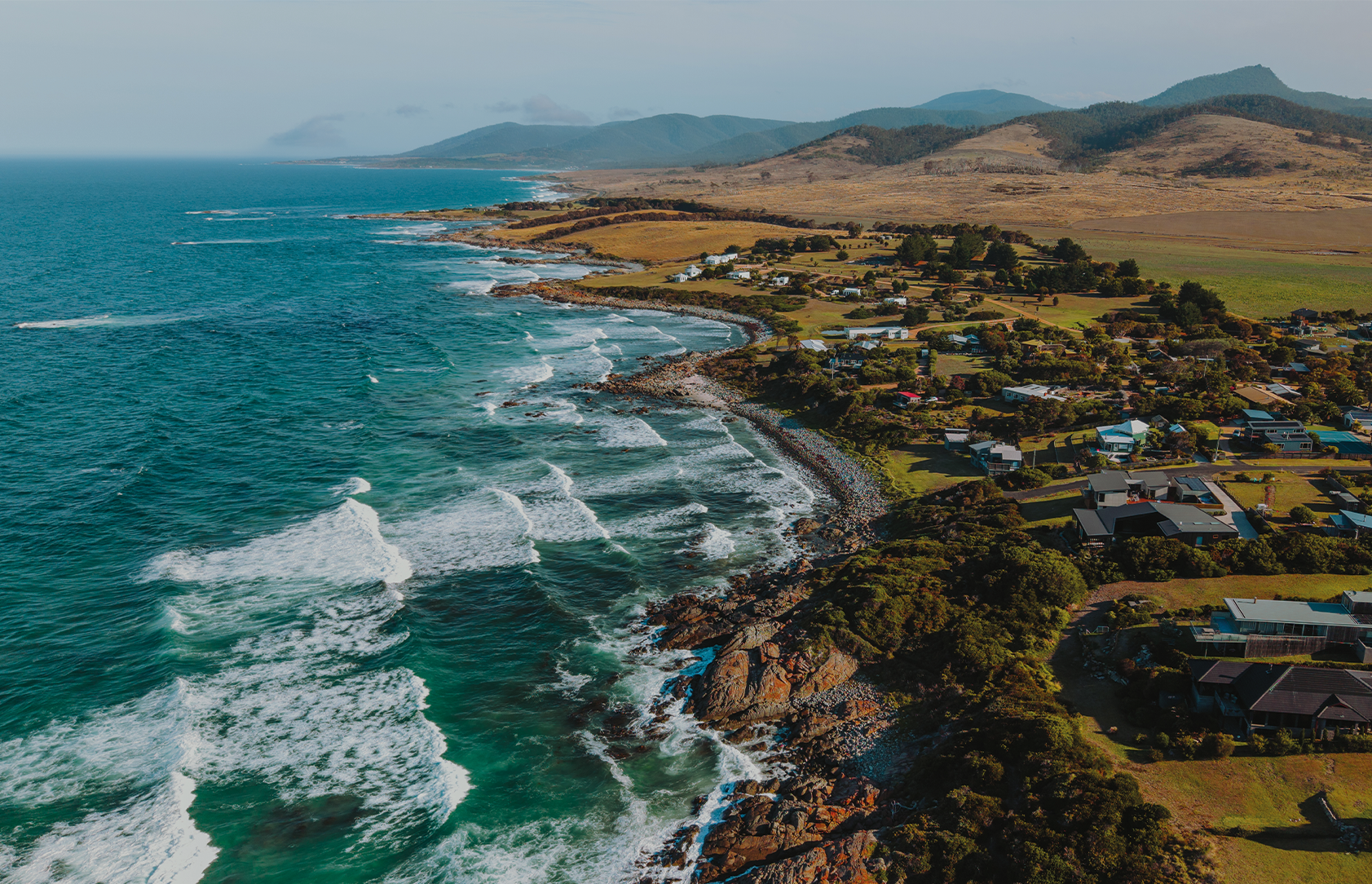
It means giving photography time to happen rather than scheduling it. Allowing shoots to follow the light rather than the shot list. Staying long enough in a place that you stop seeing it as a location and start seeing it as somewhere with its own logic and rhythm and the occasional extraordinary moment that couldn't have been planned.
It means editing ruthlessly. Not every good image needs to be published. Not every insight needs to be a post. The discipline of leaving things out — of trusting that the right ten images communicate more than the complete fifty — is one of the hardest things to hold in a culture that mistakes completeness for quality.
And it means being willing to wait. For the light. For the moment. For the idea that's almost there but not quite. The patience that feels like inaction from the outside is often where the most important creative work is actually happening — the slow accumulation of understanding that makes the eventual work undeniable rather than merely competent.
The image that's still circulating
That single frame from three days of waiting. I still don't fully understand why it travels the way it does — why it keeps finding new audiences, why it consistently surfaces as the reason someone reaches out.
But I have a theory. In a feed full of content made quickly, something made slowly is visible in a way that's difficult to articulate but impossible to miss. It has a quality of attention embedded in it. It communicates, without saying so, that someone cared enough to wait. And in a world optimised for volume, that patience reads as a kind of luxury in itself.
Which, for the brands I work with, is exactly the point.
If you're ready to trade volume for work that actually lasts — let's talk.